What is the Entry/Exit System (EES)?
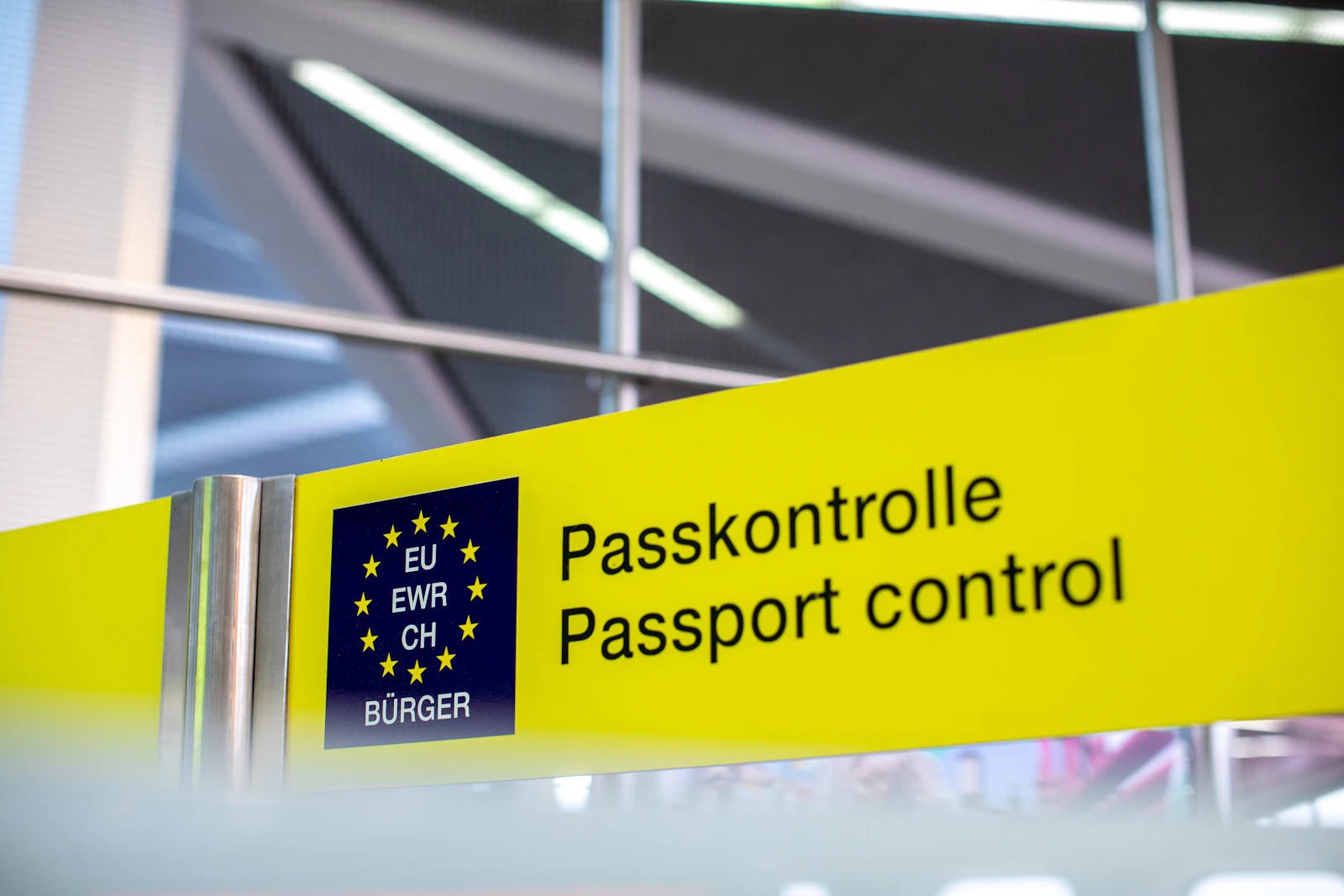
The Entry/Exit System is the EU’s automated system for recording non-EU travellers on short stays each time they cross an external border of the Schengen area. It started in stages on 12 October 2025 and became fully operational on 10 April 2026. Since then, it has replaced the stamping of passports.
When you are registered, the system records your name and passport details, your fingerprints and a facial image, and the date and place of each entry and exit. It then counts your days automatically, so border guards can see if someone has overstayed.
Who it applies to
- Non-EU nationals on a short stay, which includes British, American, Canadian and Australian visitors. A short stay means up to 90 days in any 180-day period.
- It does not apply to EU citizens, or to non-EU nationals who hold a residence permit for a Schengen country.
- Children under 12 do not have to give fingerprints, but their other details are still recorded.
EES is used by the countries of the Schengen area: most EU countries plus Iceland, Liechtenstein, Norway and Switzerland. Ireland and Cyprus do not use it, so travel there works as before.
What to expect at the border
- Your first trip takes longest. You register once, at a self-service kiosk or with a border officer. On later trips the system checks your face or fingerprints against your record.
- Allow extra time, especially in school holidays and at busy airports and ports.
- Leaving from the UK by train, coach or car? At Eurostar in London St Pancras, Eurotunnel at Folkestone and the Port of Dover, French border checks, including EES, happen in the UK before you depart.
- Your record is kept for a set period, so you won’t need to fully re-register on every visit.
ETIAS: the travel authorisation that hasn’t started yet
ETIAS (the European Travel Information and Authorisation System) is a separate scheme. When it starts, visa-free visitors, including UK and US citizens, will need to apply online for a travel authorisation before visiting most European countries.
- It is not in operation yet. The EU has said it will announce the start date several months before launch. An earlier target of late 2026 was removed from the official EU site during 2026.
- Planned details: a fee of €20 (free for under-18s and over-70s), valid for up to three years or until your passport expires.
- No one can apply today. Any website taking ETIAS applications or payments right now is not official.
How to prepare for your next trip to Europe
- Check that your passport meets the entry rules for your destination, including its issue date and expiry date.
- Keep track of your days if you travel often. The 90/180-day rule now applies automatically, and overstays are recorded.
- Check official sources for entry rules shortly before you travel, as they can change.
Planning a break? Compare European city breaks or package holidays.
Last updated: 13 October 2026


